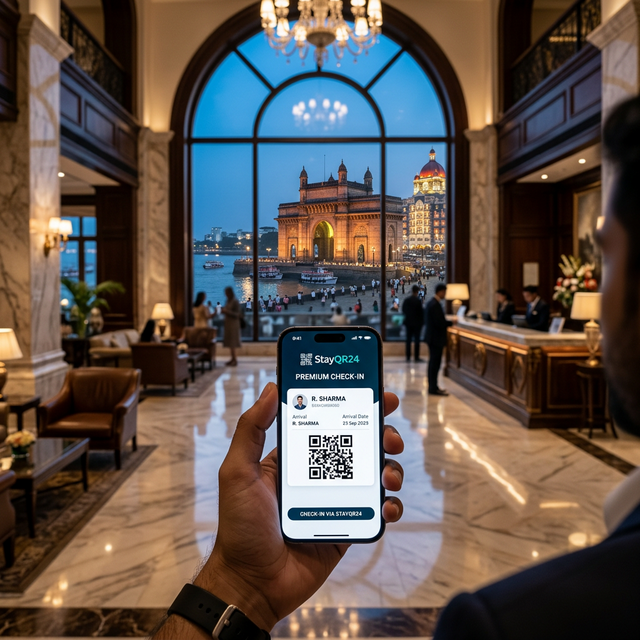
Essential Safety and Security Protocols for Indian Hotel Owners
Prioritize guest safety and build trust with these 5 essential security protocols for Indian hotels. Learn how to stay compliant while enhancing your hotel’s reputation in 2026.

5 Essential Safety and Security Protocols for Indian Hotel Owners (2026 Guide)
In the competitive world of Indian hospitality, providing a luxurious room or world-class cuisine is no longer enough. For the modern traveler—whether a solo business professional in Bangalore or a family vacationing in Kerala—safety and security are the highest priorities.
As a hotel owner, ensuring a secure environment isn't just about fulfilling legal obligations under the Sarai Act or local police regulations; it's about building a brand that guests can trust. In 2026, security has evolved from traditional locks and keys to sophisticated digital and physical protocols.
Here are the 5 essential safety and security protocols that every Indian hotel owner must implement to stay ahead.
1. Digital Guest Identity Verification and Police Compliance
The foundation of hotel security starts at the front desk. Gone are the days of manually photocopying Aadhaar cards and storing them in messy physical folders. Manual entry is prone to errors, increases the risk of identity theft, and slows down the check-in process.
- The Protocol: Implement a digital check-in system that uses AI-powered ID scanning.
- Why it matters: It ensures that the guest checking in is exactly who they claim to be, reducing the risk of fraudulent bookings.
- Compliance: Automated systems like StayQR24 seamlessly capture guest IDs, verify them instantly, and store them in a secure, encrypted cloud database. This makes it incredibly easy to share reports with local authorities (C-Form for foreigners) when required, ensuring 100% legal compliance without the desk clutter.
2. Comprehensive CCTV and Smart Perimeter Surveillance
While most hotels have cameras, many fail to maintain them or use them strategically. A camera that isn't recording or has poor visibility at night is a major liability rather than a security net.
- The Protocol: Ensure 24/7 high-definition monitoring of all entry points, corridors, parking areas, and common zones.
- Strategic Placement: Cameras should be positioned to capture clear facial features at entry and exit points.
- Remote Access: Use cloud-enabled surveillance that allows you, the owner, to view live feeds from your smartphone, no matter where you are. Regular audits of storage and camera health are non-negotiable for modern hotel owners.
3. Advanced Fire Safety and Emergency Preparedness
Fire safety is one of the most strictly regulated aspects of hotel management in India. Compliance with the National Building Code (NBC) is essential for obtaining and renewing your No Objection Certificate (NOC).
- The Protocol: Regularly maintained fire suppression systems and trained staff who can handle emergencies.
- Equipment: Smoke detectors in every room, fire extinguishers in accessible spots, and pressurized fire hydrants.
- Drills: Conduct quarterly mock drills for staff members. Every employee—from the chef to the housekeeper—must know exactly how to guide guests to the nearest emergency exit during a crisis. Clear, illuminated signage in multiple languages (English and Hindi/Local) is a must.
4. Robust Staff Vetting and KYC Protocols
Your security is only as strong as the people you hire. Since your staff has regular access to guest rooms and sensitive personal data, thorough background checks are vital for preventing internal security breaches.
- The Protocol: Mandatory Police Verification and KYC for every employee.
- The Process: Collect permanent address proofs and conduct previous employer checks before onboarding.
- Training: Beyond technical skills, train your staff in 'Security Awareness.' They should be able to spot suspicious behavior or abandoned luggage and know the correct protocol to report it without causing a panic.
5. Secure Data Management and Guest Privacy (DPDP Act)
With the implementation of the Digital Personal Data Protection (DPDP) Act in India, how you handle guest information is now a critical security matter. A data breach can damage your reputation more than a physical theft.
- The Protocol: Move away from paper logs and use secure, role-based access control systems.
- Security Layers: Ensure your Hotel Management System (HMS) provides encryption for guest data.
- Privacy: Only authorized personnel should be able to view guest phone numbers or addresses. Using a cloud-based platform like StayQR24 ensures that guest data is protected by enterprise-grade security, preventing unauthorized access and keeping your hotel compliant with India's evolving data laws.
Conclusion: Security as a Competitive Advantage
Safety and security are no longer "back-office" concerns—they are front-and-center in the guest's decision-making process. By automating your check-ins with StayQR24, maintaining high physical security standards, and training your team, you transform your hotel into a sanctuary of trust.
In 2026, the safest hotels are the most successful ones. Are you ready to upgrade your security game?